
Supported scholars and researchers

Krystal is now a Postdoctoral Researcher at ARC SRI Securing Antarctica's Environmental Future (SAEF) - Looking at plant-climate interactions in Antarctica.
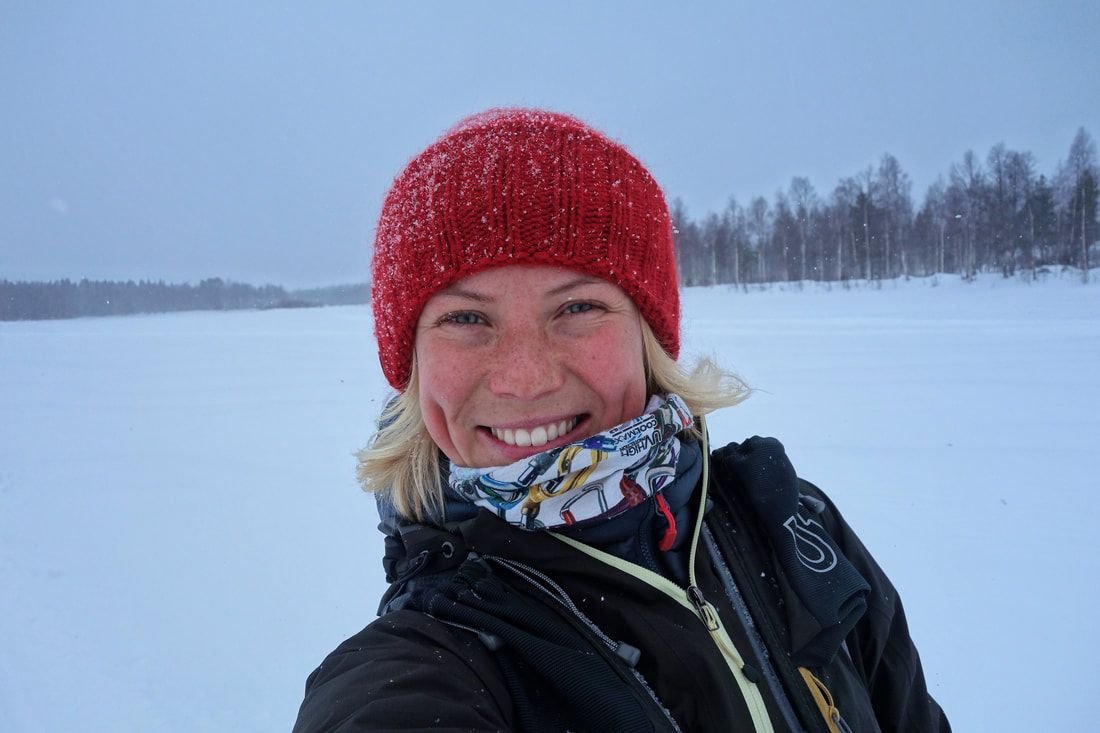
Through scientific research, I examine the influence of snow microstructure on energy transfer and remote sensing applications in the Arctic and Antarctica.

I am a microbial ecologist and my research passion is the study of how diverse microorganisms can survive, interact, and in turn, modulate their hosts and environments.
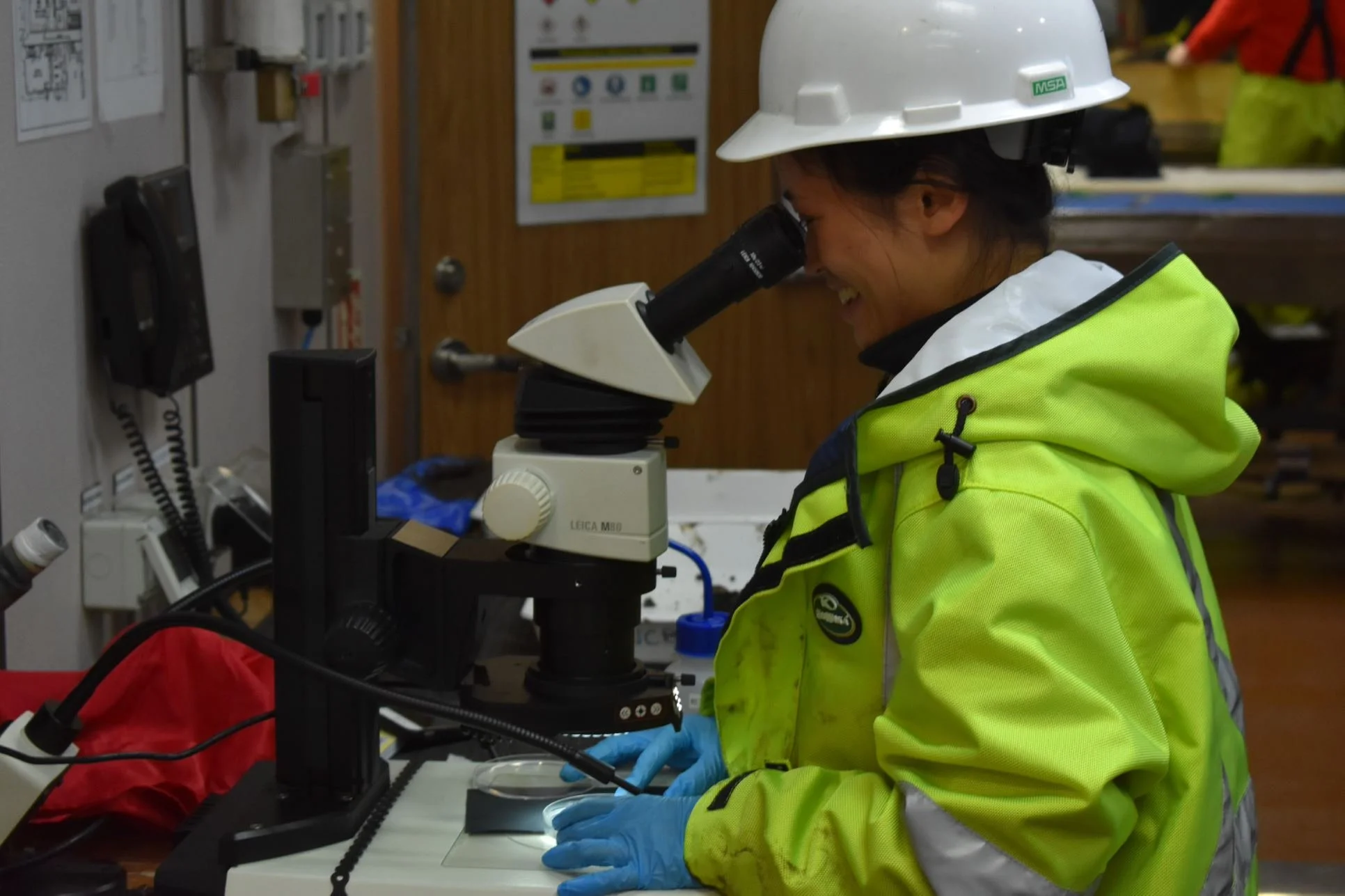
Sally is interested in the evolutionary genetics of Southern Ocean benthic taxa. The Guardians - First Dog on the Moon even picked up her findings.
Ian’s research works toward modifying and developing a computational workflow to model seismic waves propagating through the ice-bedrock interface in the Antarctic environment.
Sin Yin was a grant recipient in 2022 and investigates soil microbial community survival mechanisms.
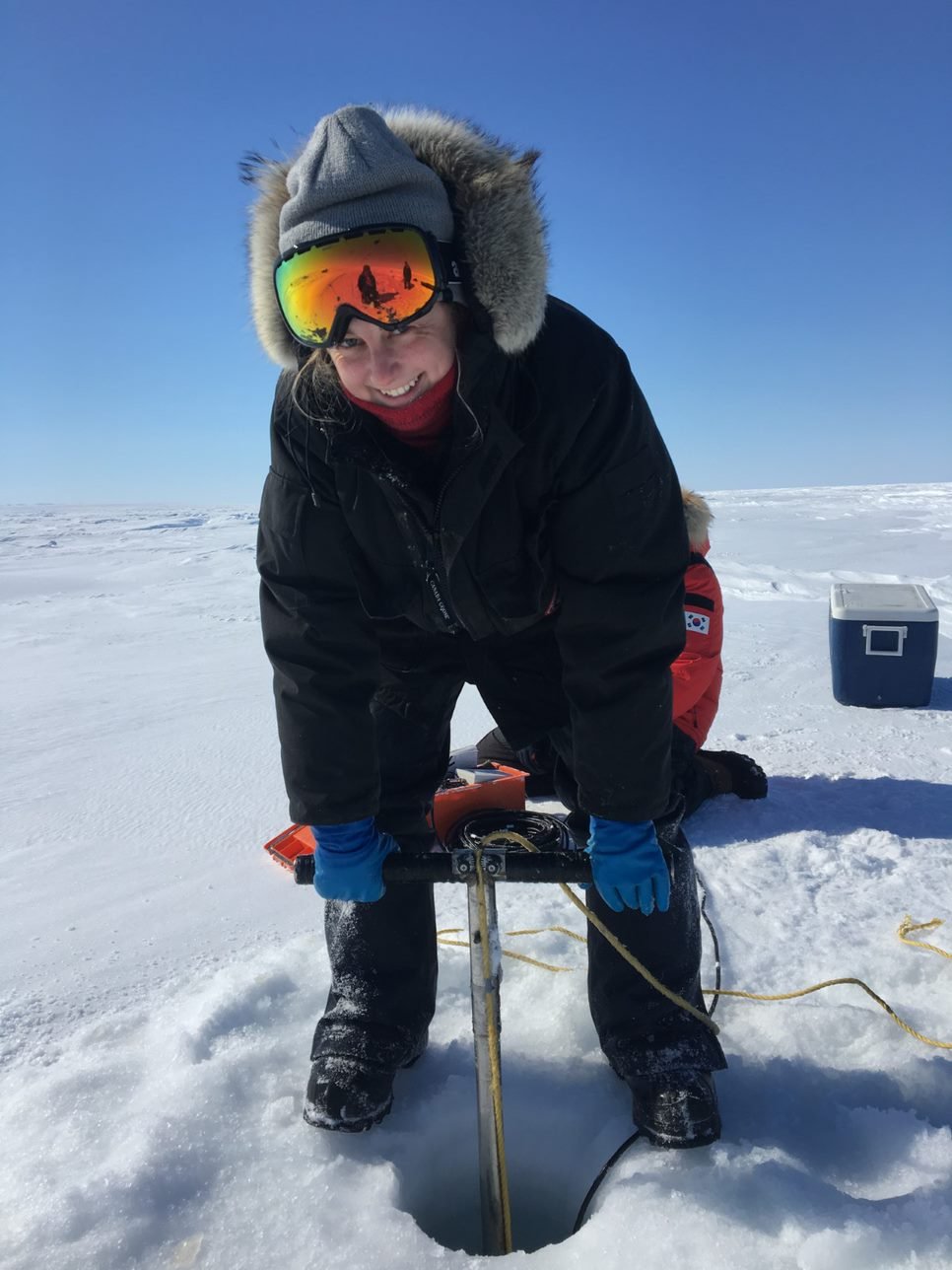
Laura’s research is looking at physical influences on the growth of ice algae and phytoplankton in the Southern Ocean.

Noemie is interested in understanding the impact of climate changes and human activities on polar food-webs. With a particular interest in using biochemical tracers such as stable isotopes, ice-algae biomarkers, and trace elements.
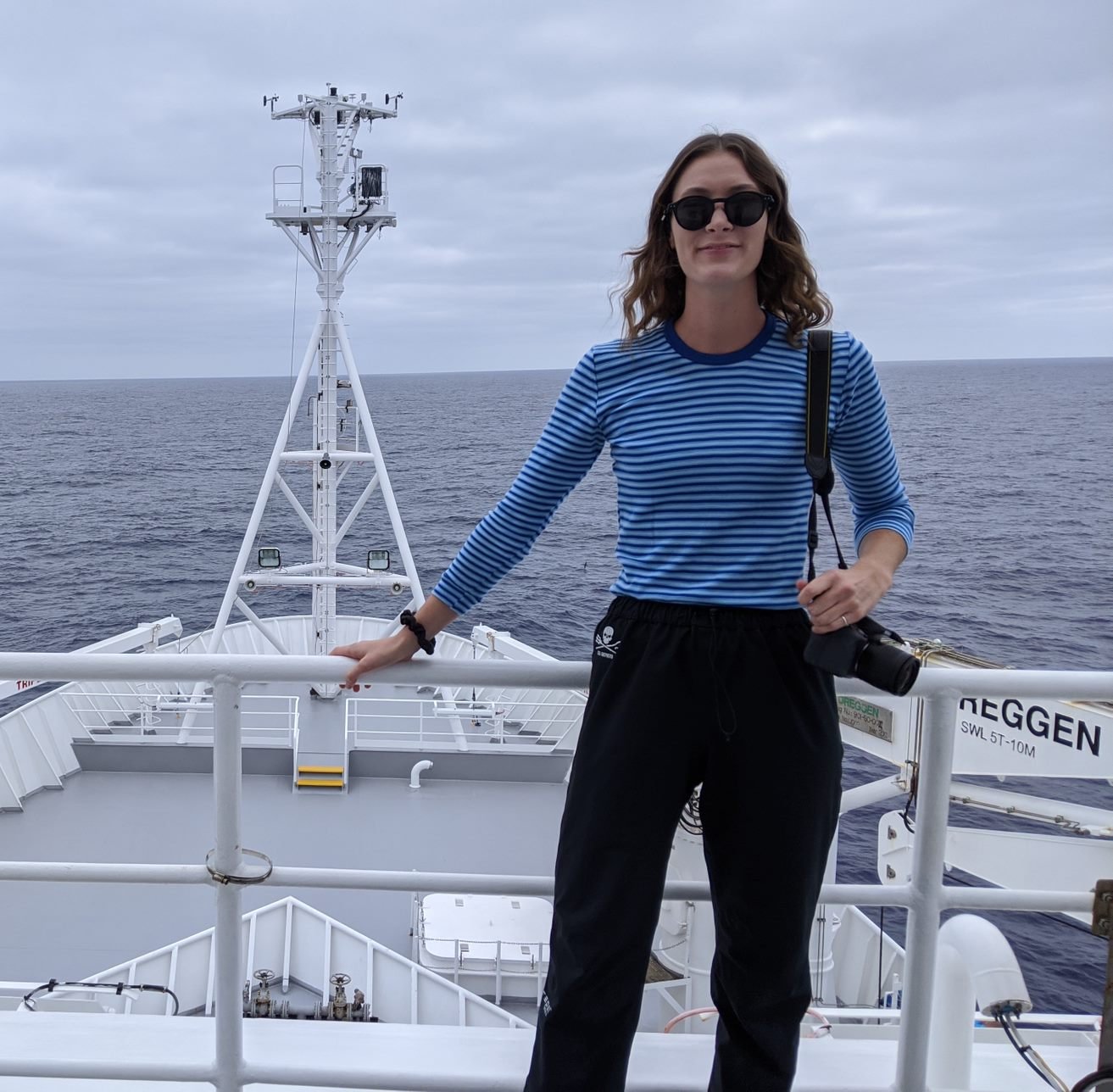
Paige’s PhD studies a marine mollusc's incredible diversification, evolution and chemical ecology using phylogenomics.

Prashasti project focuses on the reconstruction of diatom communities using sedaDNA from Antarctica.
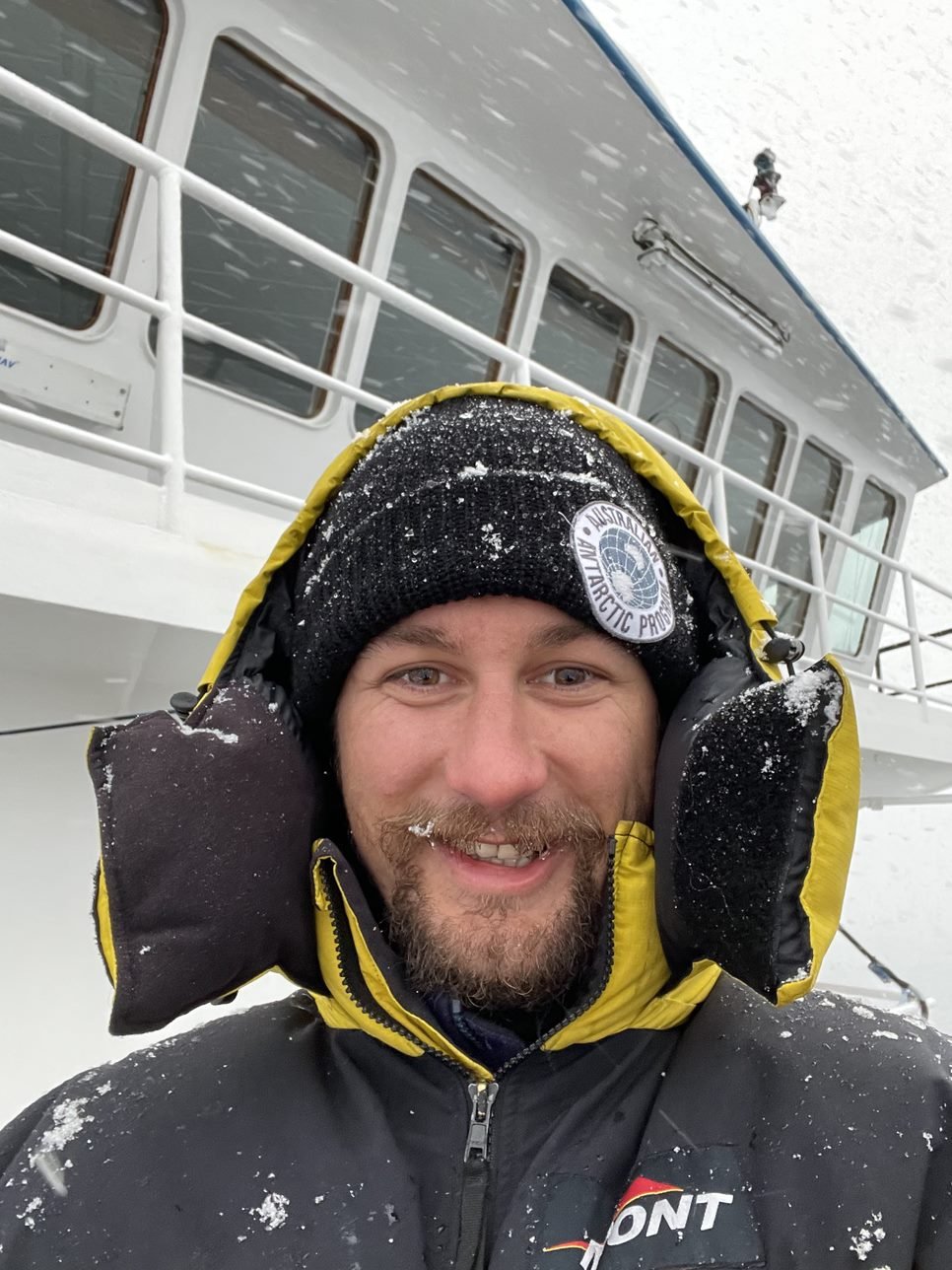
Angus is developing a coordinated strategy for collection management relevant information for key krill predators, the baleen whales, from tourist ships in the west Antarctic Peninsula.

Paige’s PhD focused on quantifying the ecological factors underpinning population trends of Eudyptes penguins.

In May 2023, Angelique was announced as the recipient of this year’s BQI UNSW Fellowship. This Fellowship is designed to support outstanding young Australian researchers investigating the Big Questions of Science at UNSW.

Meghan tracks fin whales and listens to their song to discover where they migrate during different seasons.
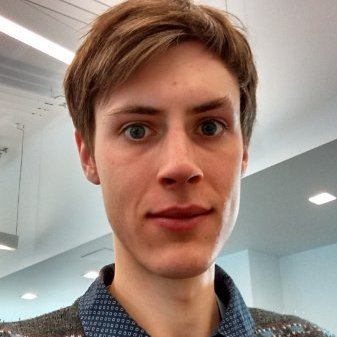
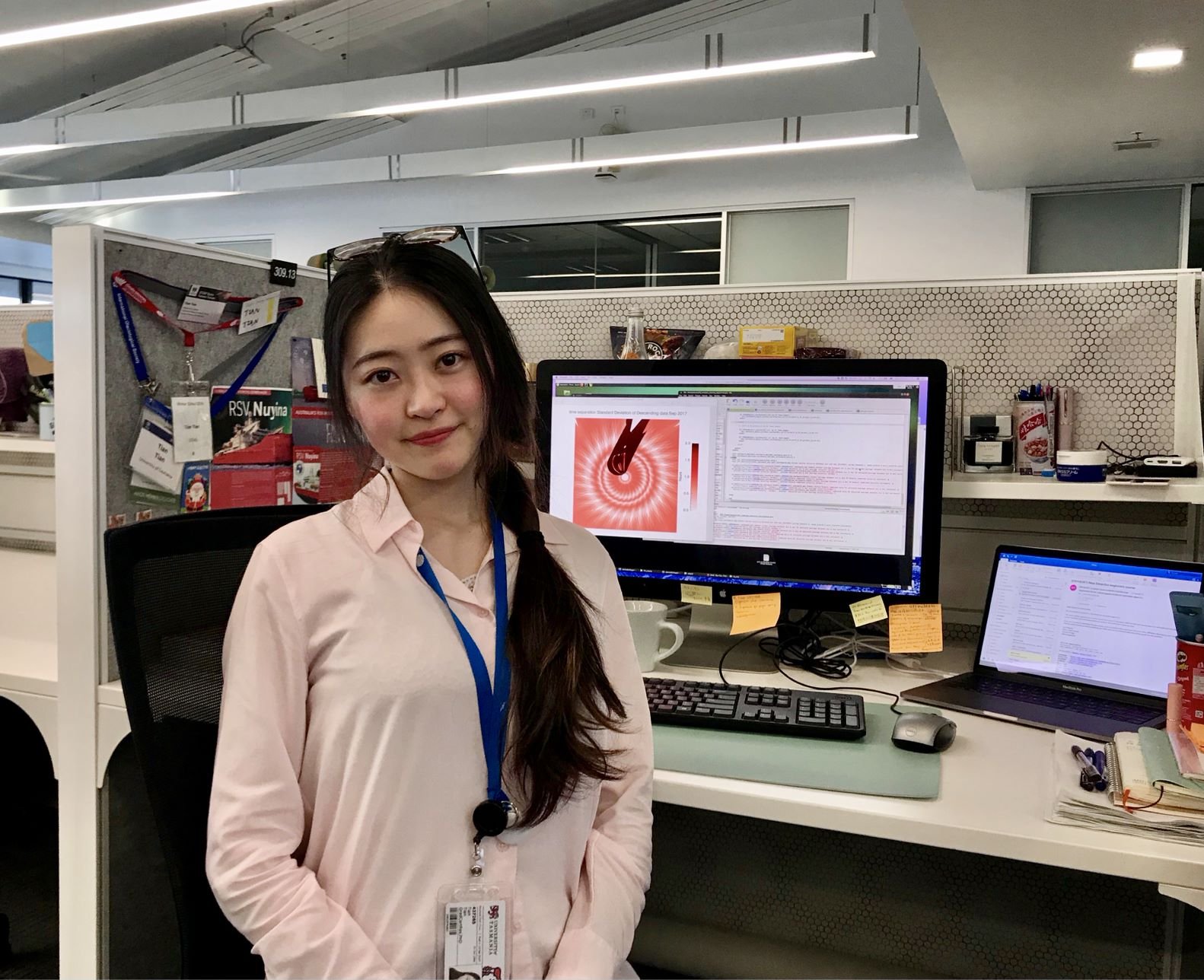
Tian uses satellite footage to study the role and behaviour of ice kinematics on Antarctic sea ice.

Recipient of the 2020 Covid Gap Grant, Kate studies a group of bacteria that survive by converting gas to energy.

Rebecca, recipient of the 2020 Covid Gap Grant, examines Antarctic microalgae and how its composition, communities and place in the ecosystem shifts as a result of climate change.
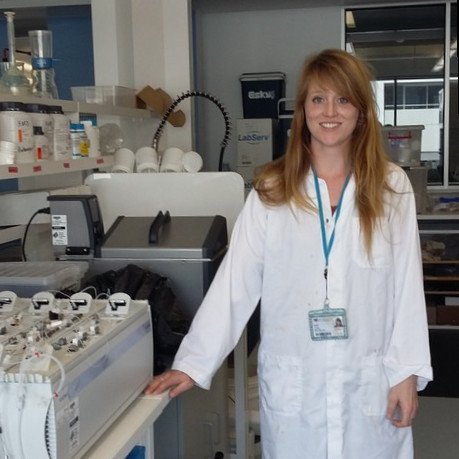
Sian uses marine sediment cores to research Totten Glacier, uncovering its past and how it responded to historic climate warming.

Once eradicated from Macquarie Island, invasive species such as mice and rats are no longer food for brown skuas. How does this affect the lives and breeding of skuas?

Brett Stacy develops models to better monitor humanity’s catch of the precious and slow-breeding Patagonian toothfish.
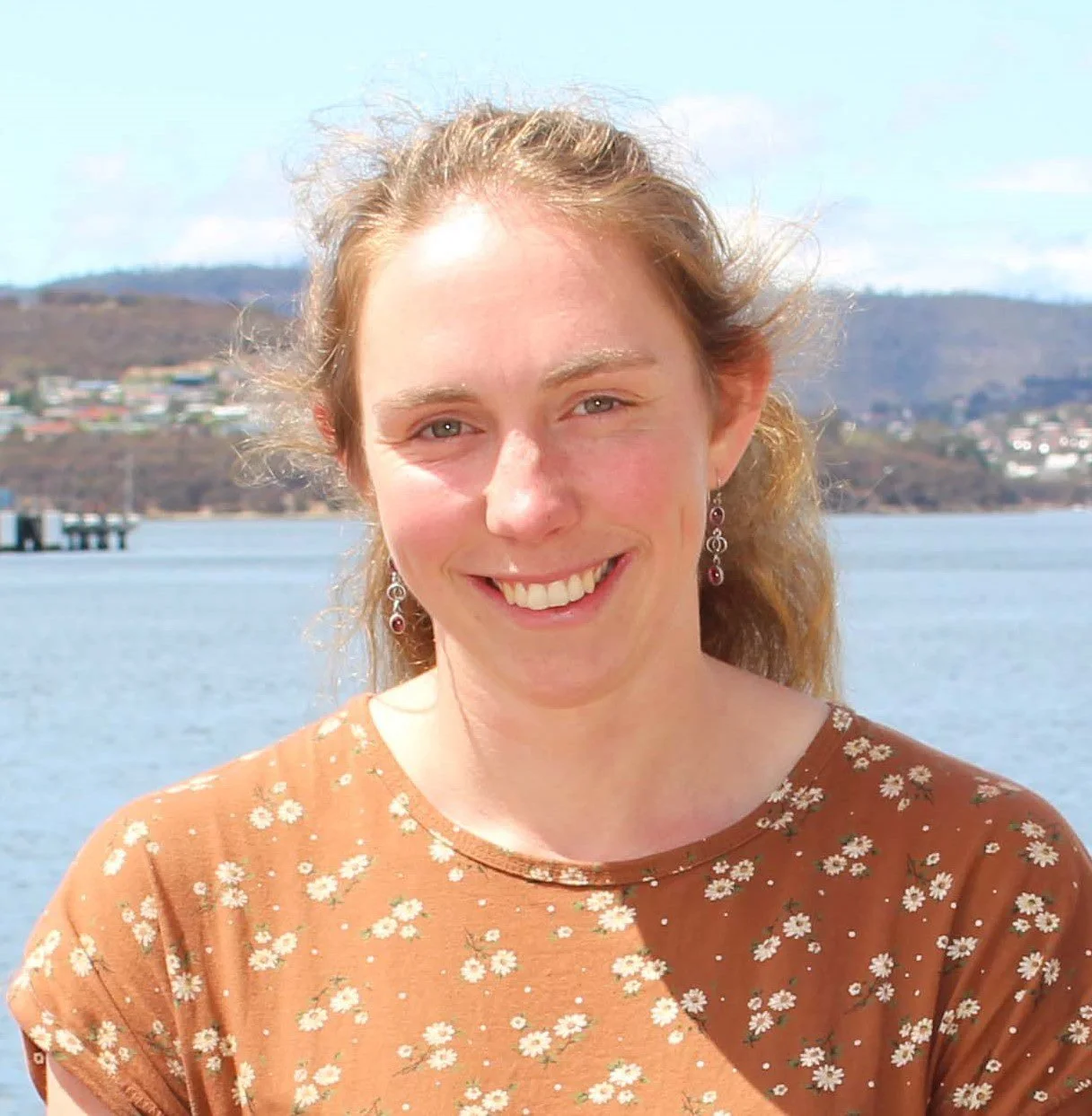
Penny studies seabirds and their road to recovery after their islands are eradicated of invasive animals – rats, mice.

Qianjiang studies the dynamics in global ocean circulation and its finer turbulent processes.
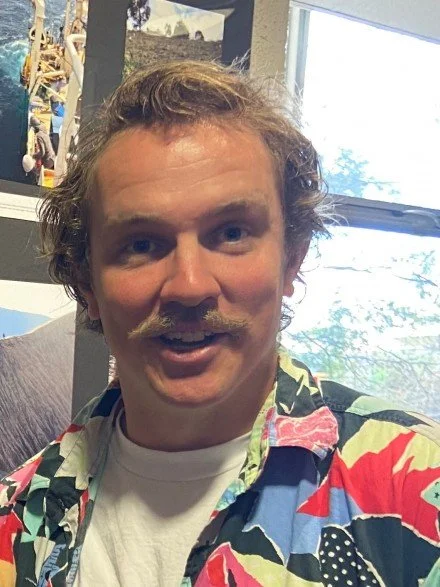
Sam looks at the take up of iron by the Southern Ocean and its role in fertilising the southern food webs.

Natalia studies polynyas – the waters that remain unfrozen and surrounded by sea ice – and how the enhanced melting of iceshelves changes their features.
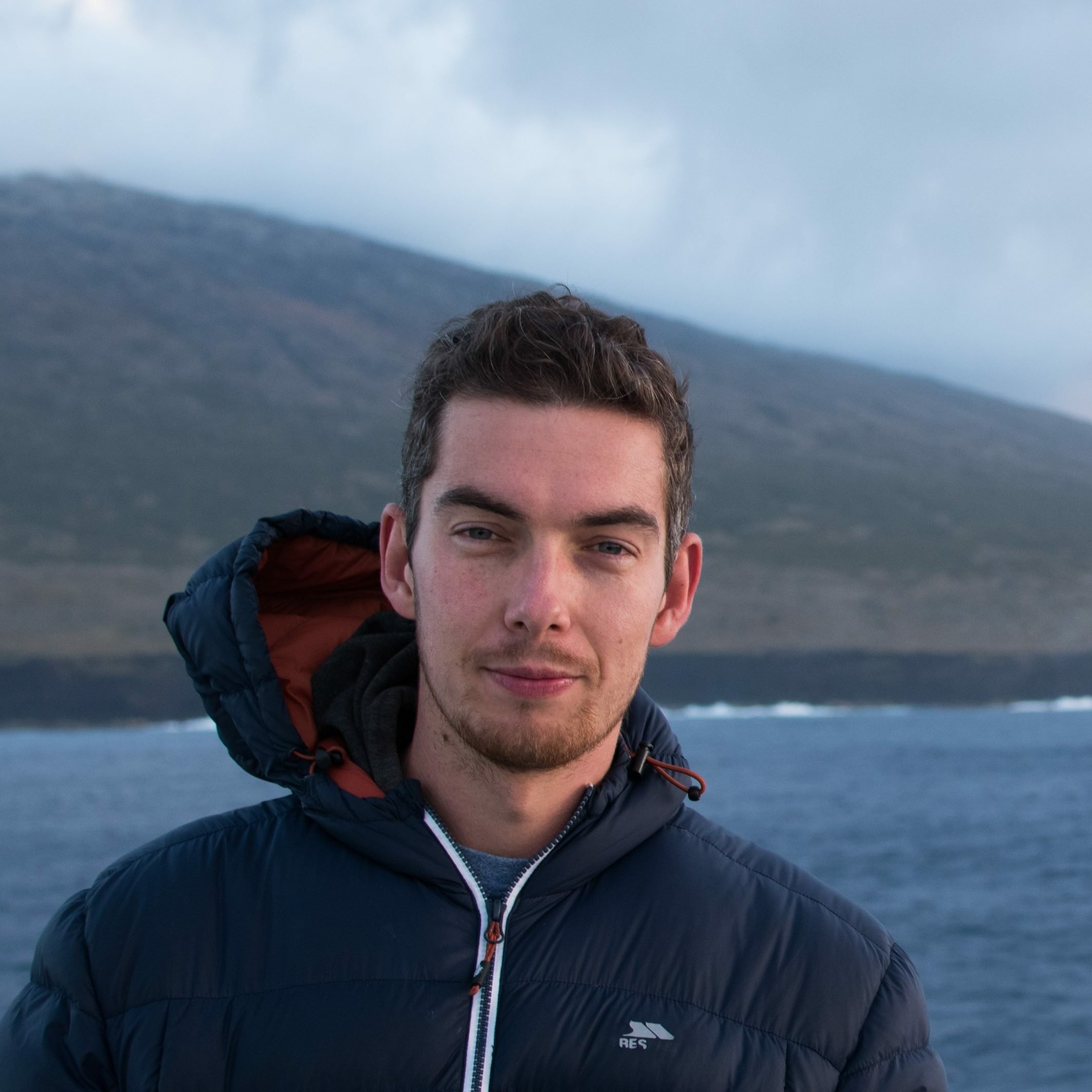
Tom and Katharina’s project aims to understand how Antarctica might respond to future warming by studying its response to past natural periods of global warmth. We are specifically targeting a period in Earth’s history approximately 3 million years ago, known as the mid-Pliocene.
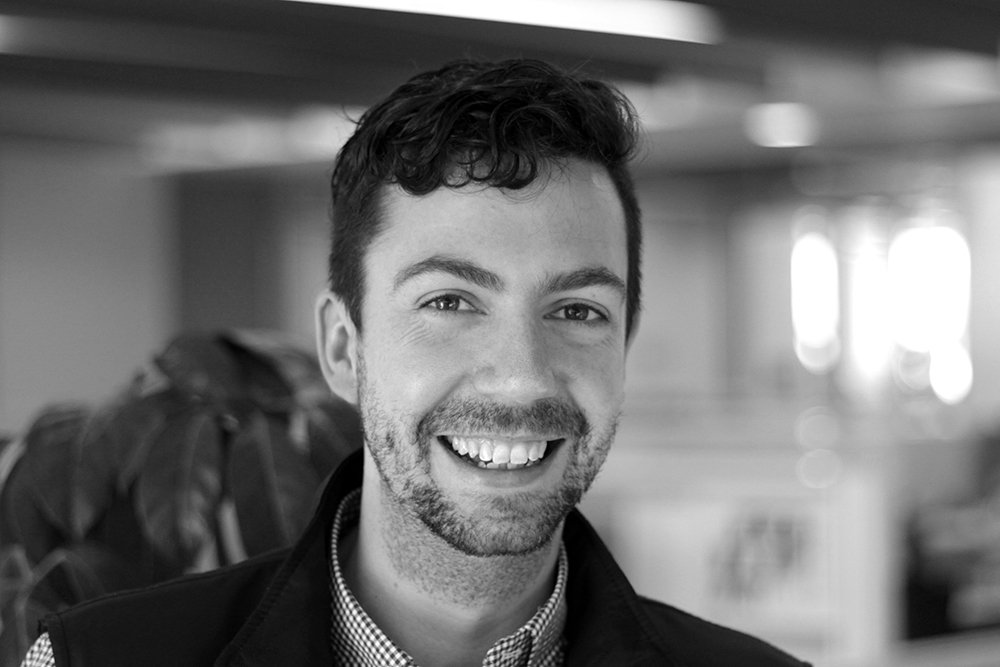
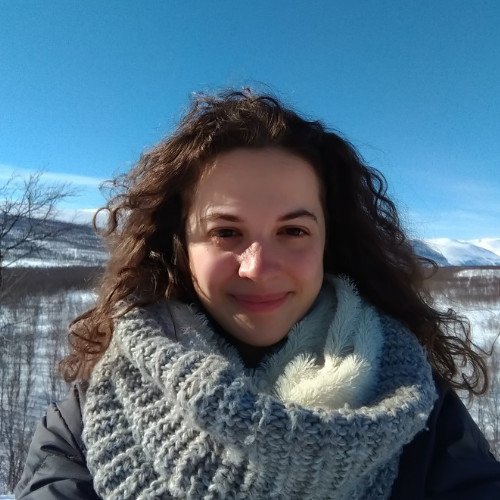
Pina’s research aims at improving the current understanding of supraglacial hydrology and its effects on the stability of floating ice sheets around the Antarctic continent. Her project is: The Emperors’ smooth floes - how sea ice roughness may affect emperor penguin breeding success.

Zhaohui is driving the project: Mapping the extent of ice-ocean interaction using microwave altimetry. Understanding the formation of Antarctic sea ice is crucial due to understanding its role in modulating climate.

Lisa is driving the project: Mapping the extent of ice-ocean interaction using microwave altimetry. Understanding the formation of Antarctic sea ice is crucial due to understanding its role in modulating climate.

Katharina and Tom’s project aims to understand how Antarctica might respond to future warming by studying its response to past natural periods of global warmth. We are specifically targeting a period in Earth’s history approximately 3 million years ago, known as the mid-Pliocene.

Tom and Katharina’s project aims to understand how Antarctica might respond to future warming by studying its response to past natural periods of global warmth. We are specifically targeting a period in Earth’s history approximately 3 million years ago, known as the mid-Pliocene.